
Diabetic Foot Care
Diabetes and foot care: What to look for
People with diabetes are more likely to develop foot problems.
This is largely because diabetes impairs the circulation and the nerves, and therefore sensation. Poorer blood supply to the tissues of the feet, paired with an increased healing time, leaves more space for infection and undetectable damage.
That's why it's so important to pay attention, even to minor problems. Seek urgent diabetic foot treatment in Auckland if you notice any of the following:
- Reduced sensation or tingling in the feet
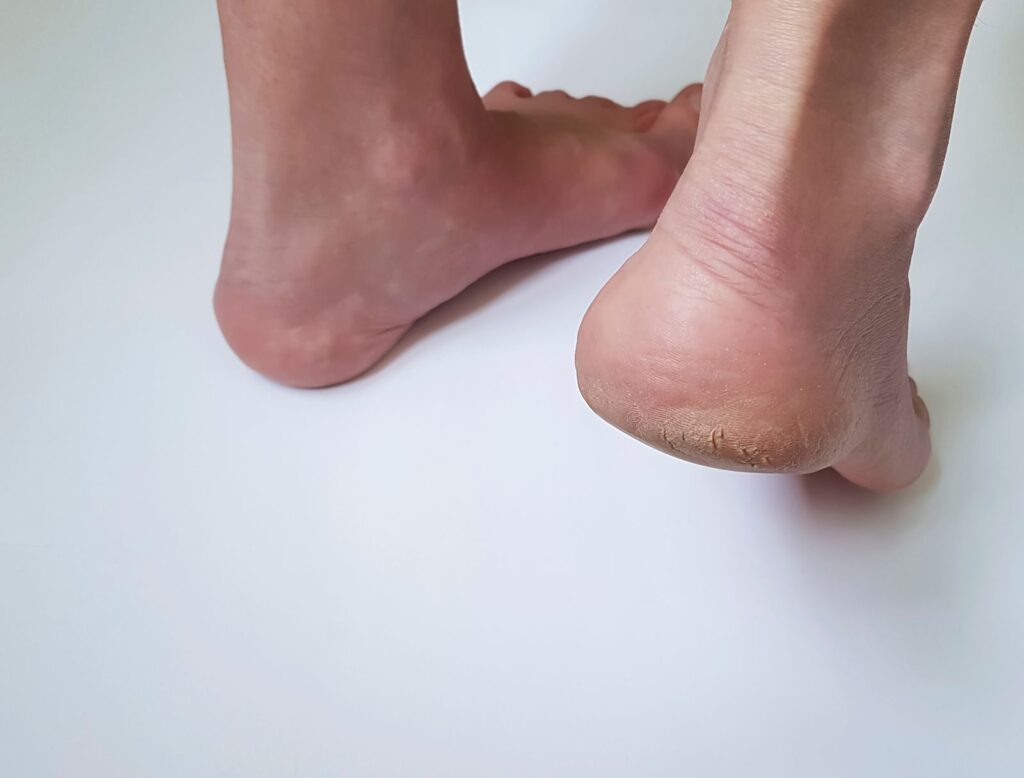
- Dry or cracked skin
- Changes in the colour or temperature (circulation) of your feet
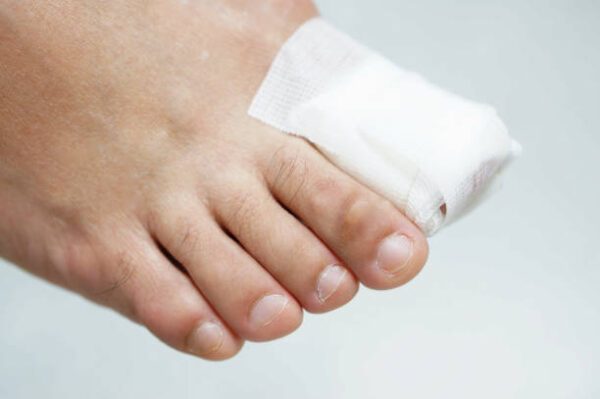
- New cuts or wounds
- Leaking fluids or bad smells
- Nail or skin problems like thickened nails or fungal infections
Diabetic foot assessments
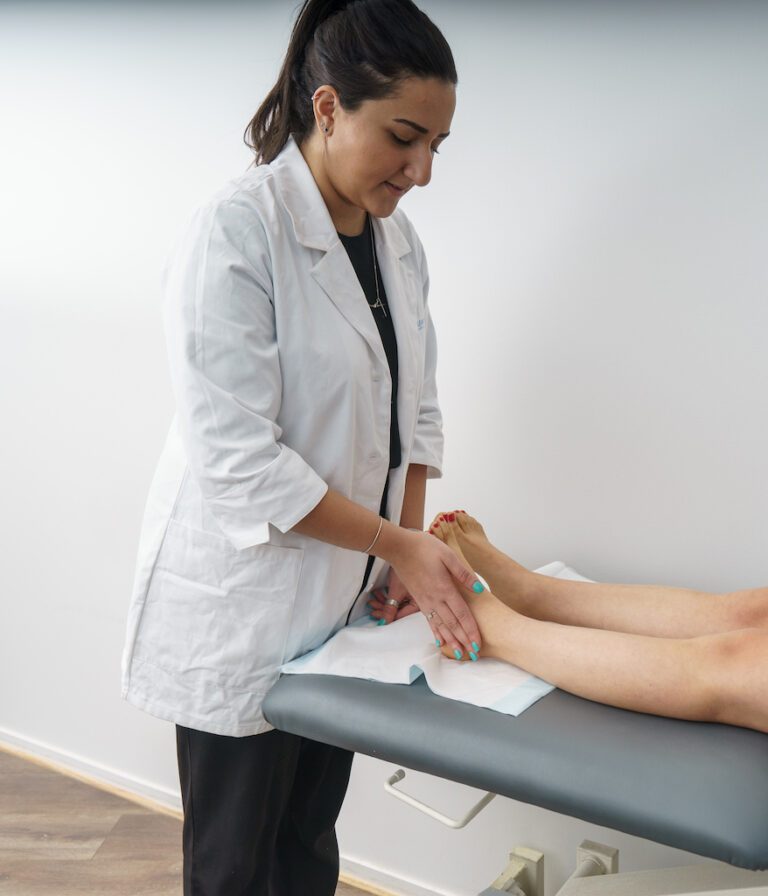
The effects of diabetes on the feet can get progressively worse. Booking regular assessments with a podiatrist enables monitoring over time, so we can provide timely advice based on your symptoms.
The optimal frequency of diabetic foot checks depends on your risk level. We recommend a minimum of annual checks for low-risk patients, around 3-6 months for moderate-risk patients, and 1-3 months for high-risk or active ulceration. We can advise on a recommended schedule for you.
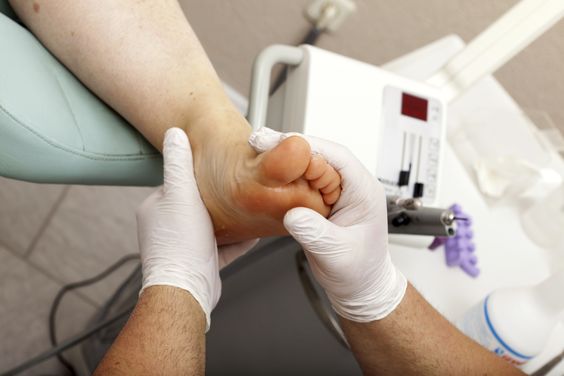
During your appointment, our podiatrists will assess changes in sensation and circulation, alongside your overall foot health.
We're able to provide:
- Vascular assessment (using a Doppler US device)
- Neurological assessment (using a monofilament device and cotton balls)
- Musculoskeletal assessment (using hands)
- Dermatological assessment (observation)
The importance of early intervention
Many serious diabetic foot complications are preventable as long as problems are identified and treated early.
Early intervention becomes particularly important with ulcers. Ulcers occur when broken skin takes longer than normal to heal. Delaying treatment can lead to ulcer growth, infections or gangrene.
In the worst circumstances, amputation can be necessary.
For people with diabetes, ulcers can take months (or even longer) to heal. Each day an ulcer or wound stays open is another day of huge risk to the feet and legs. The importance of contacting a podiatrist as soon as you notice an issue cannot be emphasised enough.
At-home diabetic foot care
While the consequences of diabetes on your feet can be severe, they don't have to be. Checking your feet every day, knowing what to look out for, and caring for them can greatly minimise the risk of serious foot complications.
As a trusted partner in ongoing foot care for diabetics, Clear Step Podiatry provides routine monitoring, professional nail care, and the identification and management of issues. We also provide tailored advice to help you care for your feet between appointments.
We recommend all patients carry out the following daily foot checks:
- Cuts or scratches
- Blisters
- Redness or swelling
- Changes in skin colour or temperature
- Areas of pressure
- New pain or discomfort
- Changes to the nail
Book an appointment
Expert podiatry is extremely important for patients with diabetes. The good news is that extra care and attention can prevent serious issues from forming.
Book a diabetic foot assessment at our podiatry clinic in Grey Lynn, Auckland. Our podiatrists provide routine diabetic foot checks, professional nail care and ongoing monitoring, and will help you access the right specialist service if higher-risk care is ever needed. We also provide custom orthotics and general podiatry care.
As Auckland's leading specialist destination podiatry clinic, we bring the same care and attention to routine diabetic footcare.
Let us know if you're worried about anything, as same-day appointments are often available.
Related Posts
What is Diabetes?
Simply, diabetes occurs when there is a great increase in the blood sugar level due to lack of insulin. Insulin is responsible for the breakdown…
Diabetic Foot Care Tips
Quit Smoking! The chemicals in cigarette smoke damage and constrict your blood vessels, which means that if you smoke, you’re depriving your feet of the…